East Croydon station rubbish collection insider tips
Posted on 19/06/2026

East Croydon station rubbish collection insider tips: a practical local guide
If you live, work, or manage property near East Croydon station, rubbish has a funny way of building up fast. One bag turns into three. A flat clear-out suddenly becomes a hallway full of old boxes, a broken chair, and a white goods headache. And around a busy transport hub, the margins for error are tiny. That is exactly why East Croydon station rubbish collection insider tips matter: they help you move waste quickly, avoid missed collections, stay tidy in a high-footfall area, and make better choices about disposal, recycling, and timing.
This guide is written for people who want the real-world version, not a vague overview. You will find how rubbish collection near East Croydon tends to work, what to watch out for, how to prepare waste properly, and how to avoid the sort of mistakes that cause delays, extra costs, or awkward conversations with neighbours and landlords. Let's face it, nobody wants to be the person with a sofa stuck on the pavement at 7:30 in the morning.
Why East Croydon station rubbish collection insider tips matters
East Croydon is one of those places where the pace changes by the minute. Morning commuters, late finishes, deliveries, residents, businesses, and contractors all overlap. That means waste management has to be organised, not improvised. If rubbish is left out at the wrong time, in the wrong place, or in the wrong containers, it can get in the way very quickly.
There is also the practical side. Near a station, you often deal with limited kerb space, narrow access, timed loading, and a lot of foot traffic. A tidy, well-timed collection is easier for everyone. A messy one becomes everybody's problem. And because the area is busy, small mistakes become visible. Very visible.
That is why an insider approach helps. The best results usually come from thinking ahead: separating waste early, checking what needs special handling, choosing a sensible collection window, and making sure the provider is set up for local conditions. If you are managing a shop, a rental property, a shared house, or a renovation project, those details save hassle.
It also helps to think beyond simple removal. Good waste handling should support recycling, safety, and compliance. If you want a broader service context, it can help to review the services overview and the company's recycling and sustainability approach before you book anything.
How East Croydon station rubbish collection insider tips works
At its core, rubbish collection near East Croydon station works the same way as elsewhere in Croydon: waste is assessed, priced, collected, sorted, and taken away for reuse, recycling, treatment, or disposal. The difference is the setting. Around a station, the service has to account for access, time pressure, and public visibility.
In plain English, the process usually looks something like this:
- You identify the waste type and volume.
- You decide whether it is household, office, builders' waste, furniture, garden waste, or a mixed load.
- You check any access issues, such as upper floors, no lift, restricted parking, or narrow stairwells.
- You get a quote based on labour, vehicle size, disposal type, and the amount of waste.
- You prepare items so they can be removed safely and efficiently.
- The team arrives, loads the waste, and removes it in line with safe handling and legal requirements.
That sounds straightforward, and often it is. But the difference between a smooth job and a stressful one is usually in the details. Is the furniture broken down enough to fit through a doorway? Are bags sorted so recycling can be separated? Is the collection point accessible without blocking a busy pavement? Those small questions matter more than people expect.
For domestic jobs, many people prefer a flexible collection that suits busy schedules. For larger or ongoing waste needs, it can be worth looking at domestic waste collection in Croydon or, for business premises, commercial waste removal in Croydon.
Key benefits and practical advantages
When you get rubbish collection right near East Croydon station, the benefits are immediate. You save time, reduce stress, and avoid clutter building up in a place where clutter becomes a nuisance fast. But there are a few less obvious wins too.
- Cleaner premises: This matters for rentals, shared buildings, retail units, and offices where first impressions count.
- Safer access: Clear stairways, paths, and entrances reduce trip hazards and awkward lifting.
- Better recycling outcomes: A load that is pre-sorted is usually easier to reuse or recycle correctly.
- Less disruption: Good timing and sensible loading keep noise and obstruction down.
- More predictable costs: Clear photos and honest descriptions help prevent surprise extras.
There is a kind of calm that comes from seeing a cluttered space emptied properly. A hallway that was full of cardboard, an old mattress, and a dismantled desk can feel lighter in minutes. That feeling is real. People notice it straight away.
If your collection includes bulky items, the right specialist service can make a big difference. For example, a mixed clear-out might call for furniture removal or appliance disposal rather than a standard bag-and-bin solution.
Who this is for and when it makes sense
East Croydon station rubbish collection insider tips are useful for a surprisingly wide group of people. If any of these sound familiar, you are in the right place.
- Flat owners and tenants dealing with end-of-tenancy clear-outs, moving day waste, or bulky item disposal.
- Landlords and letting agents who need fast turnaround between occupants.
- Local businesses generating packaging, office waste, or trade waste near the station.
- Contractors and decorators working on refurbishments, fit-outs, or repairs.
- Householders who have accumulated clutter and want a proper clear-out without hiring a skip.
- People moving into the area who want to start clean and not spend their first weekend wrestling old junk down the stairs.
It makes sense whenever the waste is too bulky, too much, or too awkward for normal bin collections. It also makes sense when timing matters. Near a station, maybe you have a narrow window between deliveries, school runs, or commuter rush. In that case, a planned collection beats a last-minute scramble every time.
For anyone weighing up a bigger move or property project in the area, you may also find it useful to read about Croydon living and the local property perspective in buying homes in Croydon.
Step-by-step guidance
Here is the practical version. If you follow these steps, most collections near East Croydon station become much easier.
- Identify the waste clearly. Make a quick list: bags, cardboard, furniture, white goods, builders' rubble, garden waste, mixed rubbish, or confidential office waste.
- Measure the space. Check door widths, stair turns, lift size, and whether items can be taken out without blocking common areas.
- Take a few photos. Good photos help with pricing and prevent misunderstandings later. A dark, blurry photo is not much help, to be fair.
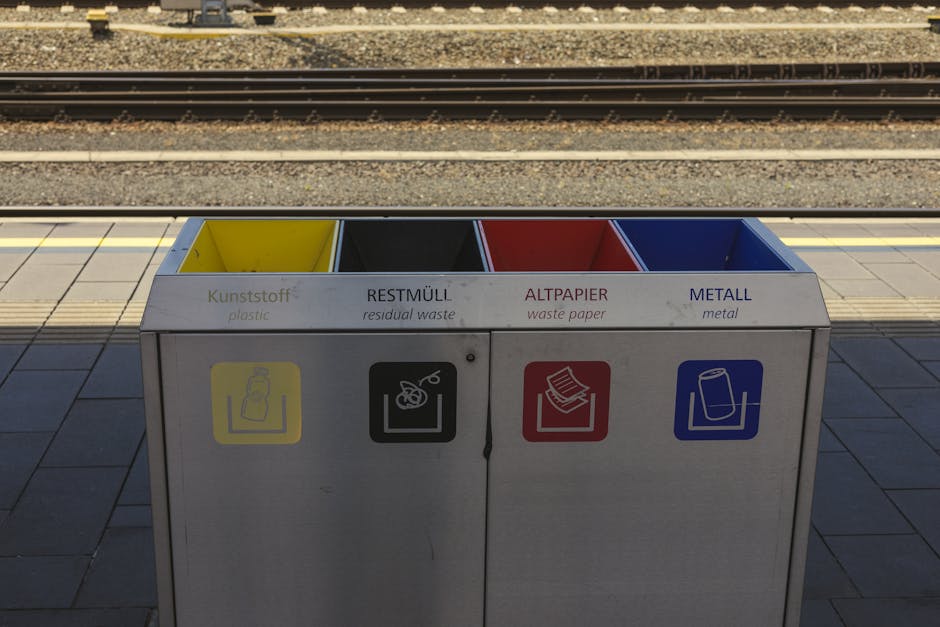
- Separate what can be recycled. Cardboard, metals, reusable furniture, and some appliances may be handled differently from general waste.
- Remove hazards first. Put aside sharp objects, liquids, broken glass, and anything that needs special care.
- Plan the collection window. Think about commuter traffic, nearby deliveries, and building access times.
- Confirm loading access. If the waste has to be carried from a basement, upper floor, or rear alley, make that clear before the day.
- Ask how the waste will be handled. A responsible provider should be able to explain what happens after pickup.
That last point matters more than many people realise. You are not just paying for a van. You are paying for process, care, and accountability.
Expert tips for better results
Here are the little things that often separate a smooth collection from a messy one.
1. Put the waste in the right place before the crew arrives
If items are scattered across different rooms, the job takes longer and may cost more. Group everything in one safe area if you can. If you live in a flat, check whether the building rules allow you to leave items in a communal spot. Don't guess. Guessing is expensive sometimes.
2. Keep mixed loads simple
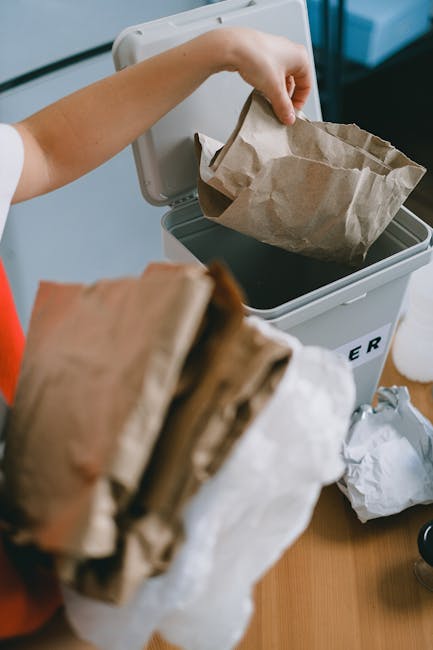
Mixed loads are fine, but overly mixed loads slow everything down. Try to separate clean cardboard, reusable furniture, and garden cuttings from general rubbish. It helps the team sort faster and may improve recycling outcomes.
3. Be honest about awkward access
If the waste is on the third floor with no lift, say so. If parking is limited near the station, say so. Honest detail avoids friction. A good team would rather know early than discover it while standing in a corridor trying to angle a wardrobe around a bannister.
4. Use collection timing to your advantage
Early morning or slightly off-peak windows often work better around East Croydon because foot traffic can be intense later in the day. If your building allows it, a quieter window can make the job faster and less intrusive.
5. Check for reusable items before you book disposal
Some furniture, fixtures, or appliances may still have life left in them. Reuse is often the smarter path. Even if an item is not worth keeping, it may be worth separating for a specialist route rather than lumping it in with general waste.
If you are dealing with a big house clean or a renovation clear-out, specialist services can be more efficient than trying to patch things together. A planned house clearance or builders' waste removal is often the cleaner choice.
Common mistakes to avoid
These are the problems that come up again and again, especially in busy local areas like East Croydon.
- Leaving booking too late: Last-minute jobs are harder to plan and can clash with access restrictions.
- Underestimating volume: A few extra bags can change the whole job, especially if they are heavy or awkward.
- Mixing hazardous items in with normal waste: Sharp, wet, or chemical waste needs special handling.
- Ignoring building rules: Shared entrances, service lifts, and concierge requirements can affect collection timing.
- Assuming every provider works the same way: Not all operators have the same standards, insurance, or compliance approach.
- Choosing only on price: Cheap can be fine. Cheap and careless is another story.
A small one-line rule helps here: if it feels rushed, it usually is.
And rushed rubbish jobs are where people end up with delays, damage, or arguments over who was supposed to move what. Nobody needs that on a Tuesday morning.
Tools, resources and recommendations
You do not need a complicated toolkit, but a bit of preparation pays off. A few simple things make collections smoother and safer.
- Phone camera: Take clear photos of the waste, access route, and any stairs or tight corners.
- Marker pens and tape: Label items you want kept separate, especially if you are in a shared property.
- Basic gloves: Useful for sorting cardboard, bagging loose items, or moving lighter pieces.
- Flat-pack tools: A screwdriver or hex key can help dismantle furniture before collection.
- Strong sacks or boxes: Neater loads are easier to carry and sort.
From a service perspective, a reliable waste provider should also be able to explain pricing, insurance, and safety measures plainly. If you want to understand how the company approaches practical protections, read the insurance and safety information. If pricing clarity matters to you, the pricing and quotes page is also worth checking.
For business users, it helps to review operational pages before booking. That can include waste carrier licence and compliance details, plus the wider about us page if you want a better feel for the company's approach. Small thing, perhaps, but it builds trust.
Law, compliance, standards and best practice
Waste removal in the UK sits inside a fairly straightforward but important compliance framework. You do not need to become a legal expert, but you should know the basics.
First, waste should be collected and handled by a provider that is authorised to carry it. For commercial waste, the duty of care is especially important: businesses are expected to take reasonable steps to make sure waste is transferred responsibly. In everyday language, that means you should know who is taking your waste, roughly what happens to it, and whether the provider is operating properly.
Second, certain items need extra care. Electricals, appliances, upholstered furniture, sharp objects, and any material that may be contaminated or hazardous should be identified early. If you are unsure, ask before the collection day. That is not fussiness. That is sensible.
Third, good practice includes access safety. Near a station or busy road, workers and pedestrians need clear movement, sensible lifting practice, and minimal obstruction. A reputable team should avoid unsafe shortcuts, even when the job looks simple.
Finally, trust matters. Look for clear terms, transparent payment handling, and a reasonable privacy approach if you are sharing photos or property access details. For reassurance, it is worth reading the company's terms and conditions, payment and security, and privacy policy. If social responsibility is important to your organisation, you may also want to review the modern slavery statement.
That is the standard I would want as a customer, and honestly, it is what most people should expect. No drama, just proper process.
Options, methods and comparison table
There is more than one way to handle rubbish near East Croydon station. The best option depends on volume, urgency, access, and item type. Here is a useful comparison.
| Method | Best for | Advantages | Watch-outs |
|---|---|---|---|
| Scheduled bulky waste collection | Single items or moderate loads | Simple, tidy, often cost-effective | May need booking and clear access |
| Full clearance service | Flats, houses, offices, end-of-tenancy jobs | Fast, hands-off, useful for mixed waste | Needs accurate description of volume and access |
| Specialist item removal | Furniture, white goods, appliances | Safer handling, better item-specific disposal | Separate booking may be needed for some loads |
| Regular commercial waste service | Shops, offices, hospitality, landlords | Reliable ongoing collection, easier planning | Requires routine setup and clear waste rules |
| DIY van run | Small, simple disposal jobs | Flexible if you already have transport | Time-consuming, lifting risk, disposal rules still apply |
In many station-area jobs, the full clearance route wins simply because it removes a lot of hassle at once. But if you only have a couple of bulky items, a narrower service may be the cleaner choice.
Case study or real-world example
Picture a small two-bedroom flat a short walk from East Croydon station. The tenants are leaving, the landlord wants a quick turnaround, and the place has the usual mix: cardboard, a broken bedside table, a mattress, a chair with one good leg, a microwave, and a few black sacks of general waste. Nothing dramatic. Just enough to become annoying.
The first mistake would be to treat it like one giant pile and hope for the best. Instead, the waste is grouped by type. Cardboard is flattened. The microwave is separated as an electrical item. The mattress and furniture are kept together. The stairwell is checked for clear movement, and collection is arranged for a quieter window rather than during the heaviest station footfall.
That kind of planning makes the whole thing feel calm. The load is removed in one visit, the communal corridor is clear again, and the landlord can move straight on to cleaning and re-letting. No lingering mess. No awkward neighbour complaints. And the tenants, to be fair, are glad to hand over the keys without one final argument about the bin room.
This is exactly where local knowledge helps. A provider used to Croydon and station-adjacent access will know to ask the right questions first. That saves time for everyone.
Practical checklist
Use this before booking rubbish collection near East Croydon station.
- List every item you want removed.
- Separate furniture, electricals, cardboard, and general waste where possible.
- Take clear photos from more than one angle.
- Check stair access, lifts, parking, and entry restrictions.
- Confirm whether any items need special handling.
- Choose a collection window that avoids peak congestion if you can.
- Read the provider's service, pricing, and compliance information.
- Make sure the collection point is safe and easy to reach.
- Keep the agreed area clear on the day.
- Ask what happens to recyclable and reusable items.
Expert summary: the best East Croydon station rubbish collection insider tips are not about clever shortcuts. They are about preparation, timing, and choosing a provider that handles access, safety, and disposal properly the first time.
Get a free quote today and see how much you can save.
Conclusion
Rubbish collection near East Croydon station can be straightforward when it is planned with the local environment in mind. The area is busy, access can be tight, and waste needs to be handled with a bit of discipline. But once you know what to prepare, what to ask, and how to time the job, it becomes much less stressful.
The real insider trick is simple: treat the collection as a small project, not a hopeful bin day. Sort the waste, share the details, check the practicalities, and choose the right service for the job. That approach protects your time, your property, and your peace of mind.
And when the last bag is gone and the floor is clear again, the whole place feels different. Quieter. Lighter. Better.