Surrey Street Market waste removal guide for Croydon traders
Posted on 07/08/2026
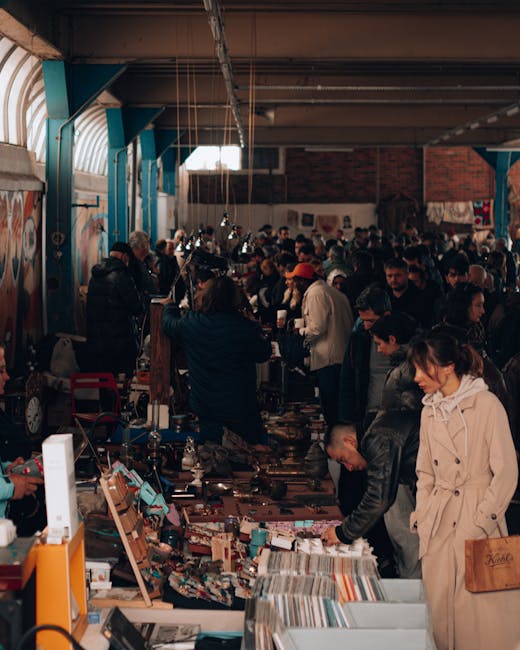
If you trade at Surrey Street Market, you already know waste is never just "rubbish". It is part of the day's rhythm: cardboard from stock, veg peelings from food prep, cracked crates, broken packaging, the odd heavy bag that needs shifting before the next rush. This Surrey Street Market waste removal guide for Croydon traders breaks down what to do, what to avoid, and how to keep your stall tidy without making the end of the day feel like a second job.
The aim here is simple. Help you clear waste quickly, stay on the right side of good practice, and keep your pitch presentable for customers, neighbours, and market management. No fluff. Just practical steps, a few hard-earned tips, and the sort of detail that saves time on a damp Tuesday morning when the bins are already full and the market's beginning to hum.
For traders who want a wider view of service options, it can also help to understand the broader range of waste removal services available in Croydon and how they fit around commercial trading patterns.
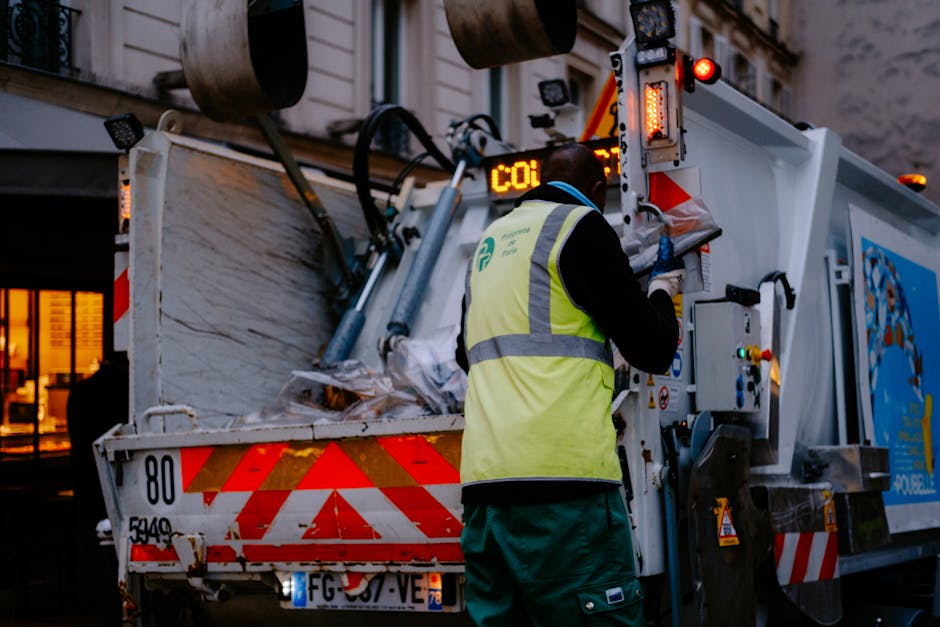
Why Surrey Street Market waste removal guide for Croydon traders Matters
Market trading is fast, visible, and physical. That means waste builds up in front of everyone, not behind a closed service door. A half-full stall can still look messy if tape, box ends, film wrap, and food waste are spilling into walkways. Customers notice. So do inspectors, cleaners, and neighbouring traders. And if you've ever tried to flatten boxes while answering questions about prices and restocking carrots at the same time, you know how quickly things can get away from you.
Good waste removal is about more than appearance. It supports hygiene, fire safety, stock control, and smooth movement around your pitch. It can also reduce the risk of pests, odours, trip hazards, and complaints. Truth be told, even one bad waste habit can affect the feel of the whole row.
For Croydon traders, it also matters because market routines are tight. If you miss the right moment to clear waste, you may end up with cardboard leaning against displays, wet refuse soaking through bags, or broken packaging sitting around until the next collection. That is not just untidy. It is work you'll have to do twice.
Expert summary: The best market waste systems are simple, repeatable, and easy for every staff member to follow. If a process only works when one particular person is on shift, it's too fragile for market life.
How Surrey Street Market waste removal guide for Croydon traders Works
In practice, waste removal for a Surrey Street Market trader usually follows a basic pattern: separate waste as you trade, store it safely during the day, and arrange removal or disposal in a way that suits your trading hours. That sounds obvious, but the detail matters.
Most stalls generate a mix of waste streams. A greengrocer may have cardboard trays, soft plastics, spoiled produce, and mixed packaging. A clothing stall may mainly deal with cardboard, tags, wrapping, and occasional broken hangers. A hot food trader will need a stronger plan for food scraps, grease-related waste, and secure containment. Different waste types should not be lumped together unless they truly have to be. Separation makes collection easier and often cleaner.
There's also a timing element. You do not want waste sitting out while footfall is high or while deliveries are moving through the market. In many cases, the smoothest routine is a short "clear-down" during quieter periods, followed by one final end-of-day sweep. Some traders prefer a mid-session mini-clear too, especially if they deal with bulky packaging.
If you regularly produce mixed commercial waste, it is worth looking at commercial waste removal in Croydon as part of your wider operating plan. That is often the most sensible route when a stall creates more than the market bins can comfortably handle.
Key Benefits and Practical Advantages
A proper waste routine saves time, and not in some vague corporate way. It saves the actual minutes that disappear when someone is hunting for extra bags, dragging flattened boxes across a crowded walkway, or double-checking whether a damaged carton can stay under the counter until "later". Later rarely arrives.
Here are the main advantages traders tend to notice quickly:
- Cleaner presentation: Customers feel more comfortable approaching a stall that looks organised.
- Better hygiene: Waste moved promptly means fewer smells, spills, and pest risks.
- Safer working space: Clear walkways reduce trips and awkward lifting.
- Faster pack-down: End-of-day close becomes more predictable.
- Improved stock handling: Good separation helps you see what is packaging and what is still usable stock.
- Less stress on busy days: Small systems prevent larger messes from building up.
There is also a financial angle. A cleaner waste process often means fewer emergency callouts, less damaged stock, and fewer wasted labour hours. That alone can justify putting a simple system in place. To be fair, waste is one of those back-of-house issues that becomes expensive only when nobody has been paying attention to it.
Traders who also handle refurbishments, shelving changes, or fit-out updates may benefit from related support such as builders waste removal in Croydon when old fixtures, timber offcuts, or packing materials start to pile up.
Who This Is For and When It Makes Sense
This guide is for Surrey Street Market traders who want their waste under control without overcomplicating the process. That includes food sellers, produce stalls, clothing sellers, household goods traders, and anyone dealing with regular cardboard and packaging waste.
It makes sense if you:
- produce waste every trading day, even if it is "only a few bags"
- need to keep a tidy pitch for customer-facing reasons
- share a trading area with neighbouring stalls and want to avoid friction
- have staff or helpers who need a clear routine they can follow
- occasionally deal with bulky or awkward items that do not fit ordinary bins
- want to avoid holding waste back until it becomes a problem
It is also relevant if you are expanding, trading seasonally, or testing a new stall layout. Waste habits change when stock changes. A small stall can suddenly generate far more waste once footfall picks up or product range widens.
If your operation stretches beyond the market itself, for example if you store stock at home or run a small workshop as well, then a wider waste plan may help. In those cases, nearby services such as domestic waste collection in Croydon or furniture removal in Croydon can be useful for the non-market side of the business.
Step-by-Step Guidance
Here is a practical way to build a waste routine that works on a real market day, not just on paper.
- Map your waste types. Start by listing everything your stall throws away over a normal week. Cardboard, cling film, food waste, broken packaging, damaged stock, and any hazardous or restricted items should be identified separately.
- Choose a place for each waste type. Keep a designated box, bag, or container for each stream. If people have to guess where something goes, they will guess differently. That is how mixed waste starts.
- Flatten and compress where possible. Cardboard is bulky. Flatten it early, not after it has soaked up rain or crushed underfoot.
- Set a mid-day reset point. Even a three-minute reset can stop waste from spreading behind the stall.
- Keep bags sealed and stable. Open bags invite spills, pests, and nuisance. Nobody wants that near fresh produce or food counters.
- Plan your end-of-day clearance. Decide who handles waste, when it moves, and where it goes. Ambiguity is where delays creep in.
- Use the right carrier or collection route. Commercial waste should be handled by a lawful, suitable arrangement. If you need help choosing a provider, the company's waste carrier licence and compliance information is a useful place to start.
- Review weekly. If waste is accumulating faster than expected, adjust the system before it becomes a nuisance.
A simple habit like tagging one helper to check the back of the stall every hour can prevent a lot of mess. It sounds small. It is small. But these things stack up.
Expert Tips for Better Results
One of the best tips is also the least glamorous: make waste handling so easy that people do it without thinking. If the container is too far away, too awkward, or not clearly labelled, people will leave waste "for a second". Then it stays there. Happens all the time.
Here are a few field-tested ideas that help:
- Use colour cues. Keep bins or bags visually distinct so staff can sort without hesitation.
- Keep a spare roll of sacks on hand. The moment you run out is usually the moment you need them most.
- Train new helpers quickly. Even a two-minute walkthrough can prevent a lot of confusion.
- Separate clean cardboard from food-contaminated packaging. Clean cardboard is much easier to handle and recycle.
- Don't overfill bags. Heavy, overstuffed sacks tear at the worst possible time. Usually near the curb. Naturally.
- Match collection timing to your trading pattern. If your busiest spell is early morning, schedule waste clearance after that rush rather than before it.
For a broader sustainability angle, you may also want to review recycling and sustainability guidance so you can reduce what goes to general waste in the first place. Even modest improvements can make a difference over a month.
And yes, a small amount of planning can save you from a very annoying hour in the rain with shredded cardboard. Not exactly the glamorous side of trading, is it?

Common Mistakes to Avoid
The most common waste mistake at market level is treating all waste as if it can wait until the end of the day. Sometimes it can. Often it cannot. Wet produce, food scraps, and broken packaging need attention much earlier than that.
Other mistakes show up in more subtle ways:
- Mixing everything together. This makes sorting harder and can increase disposal hassle.
- Leaving waste exposed. Open bags attract pests and spread smells.
- Underestimating cardboard volume. Flat boxes look harmless until there are twenty of them.
- Ignoring staff habits. One person's shortcut becomes everyone's headache.
- Forgetting wet weather. Rain turns a tidy pile into a soggy, heavy mess very quickly.
- Assuming all collections are equally flexible. Some arrangements work beautifully for a quiet workshop and terribly for a busy pitch.
Another frequent issue is poor communication. If the trader, assistant, and collection provider are not working from the same plan, waste tends to drift. Bit by bit. Then all at once.
Where bulky non-packaging items are involved, don't try to force them into a normal routine if they really belong in a separate clearance. That is when traders often end up needing house clearance support in Croydon or a more tailored removal option for odd mixed loads.
Tools, Resources and Recommendations
You do not need a complicated setup to manage market waste well. In most cases, the right basic tools will do the job.
| Tool or resource | Why it helps | Best for |
|---|---|---|
| Heavy-duty refuse sacks | Handles sharp edges and heavier waste without tearing as easily | Cardboard offcuts, mixed packaging, light commercial waste |
| Flat-pack cardboard stack area | Keeps cardboard tidy and reduces bulky clutter | Retail, produce, boxed stock |
| Clearly labelled containers | Makes sorting fast for staff and helpers | Busy stalls with multiple waste types |
| Sealed food waste bins | Controls smell and contamination | Food traders, fresh produce stalls |
| End-of-day checklist | Prevents missed items and last-minute confusion | Any trader with staff turnover or seasonal help |
Also consider whether your waste provider offers clear quote structure and service detail. That matters more than many traders realise. Transparent pricing and practical explanations make it easier to budget and avoid surprise add-ons. If you are comparing options, pricing and quotes information is worth reading before you commit.
For business owners who like to understand the people behind the service, the about us page can help build confidence about who is handling your waste and how they operate.
Law, Compliance, Standards, or Best Practice
Waste handling for traders is one of those areas where common sense and compliance overlap quite neatly. You do not need to be a legal expert, but you do need to make sensible choices and use reputable waste carriers. Commercial waste should be handled with care, documented where appropriate, and kept separate from ordinary household rubbish.
In the UK, traders are generally expected to use lawful disposal routes and avoid fly-tipping, careless storage, or leaving waste where it creates hazard or obstruction. Exact requirements can vary depending on the type of waste, how it is stored, and who is collecting it. If in doubt, ask before you arrange disposal. That is much better than assuming and hoping for the best.
Best practice usually includes:
- using a licensed carrier for commercial loads
- keeping waste separate from customer areas
- preventing waste from obstructing pedestrian routes
- storing waste securely until collection
- keeping records or receipts where needed for business tracking
- treating hazardous or specialist waste separately rather than casually mixing it in
Safety matters too. Bags can be heavy, sharp packaging can cut, and wet waste can be slippery. A good provider should take safety seriously, and you should too. If you want to understand the approach in more detail, the company's insurance and safety information can be helpful. Likewise, if ethical sourcing and responsible labour standards matter to you, the modern slavery statement is worth reviewing.
Options, Methods, or Comparison Table
There is no single right answer for every trader. The best waste solution depends on how much you produce, what type of waste it is, and how often you need it gone. Here is a straightforward comparison.
| Method | Best suited to | Strengths | Limitations |
|---|---|---|---|
| On-stall sorting and end-of-day bagging | Small to medium traders | Cheap, simple, easy to train staff on | Can become messy if volume spikes |
| Scheduled commercial collection | Regular commercial waste generators | Predictable, tidy, good for ongoing operations | May be less flexible for sudden peaks |
| Ad hoc clearance for bulky loads | Seasonal resets, stock changes, refurbishments | Useful for one-off surges and awkward items | Not ideal as a day-to-day system |
| Mixed service approach | Traders with varied waste streams | Flexible and practical | Needs good planning to avoid overlap |
In many cases, the smartest answer is a mix: routine handling for everyday waste, plus a separate option for bulky or unusual items. That keeps the stall agile without turning every Friday into a clearance day.
Case Study or Real-World Example
A typical Surrey Street trader might start the week with fresh stock, clean crates, and a tidy pitch. By midday, cardboard boxes from delivery have stacked up, produce trimmings are building in a sealed bag, and a few damaged display pieces are waiting under the counter. Nothing dramatic. Just the usual tide of market life.
In a well-run stall, the trader flattens packaging as it arrives, keeps food waste sealed, and sets one person to do a quick waste check before lunchtime trading gets busy. At closing time, there is no giant "waste mountain" to tackle. Just a few manageable bags and a clean pack-down area.
In a poorly run stall, the same waste stays scattered around until the end of the day, bags tear, cardboard gets wet, and someone ends up carrying heavy mixed rubbish through a crowded market path while customers are still around. It only takes one rainy hour for the whole thing to feel ten times worse.
The difference is not luck. It is routine. Small routine, consistently done, is what keeps a market stall feeling professional.
Practical Checklist
Use this quick checklist before opening, during trade, and at close-down. It keeps things calm.
- Have enough sacks, liners, and containers for the day.
- Separate cardboard, food waste, and mixed packaging early.
- Keep waste containers close enough to use easily.
- Flatten boxes as soon as they are empty.
- Seal bags before they become overfull.
- Check for spillages or leaks during the day.
- Remove waste from customer-facing areas promptly.
- Make sure staff know who handles what at closing time.
- Confirm the collection route or disposal plan is ready.
- Leave the pitch clean, clear, and safe.
If your stall also produces surplus stock, unsold display items, or old fixtures, it may be worth pairing your market routine with appliance disposal in Croydon or other specialist removal support, depending on the items involved.
Conclusion
Good Surrey Street Market waste removal is less about brute force and more about rhythm. When traders sort waste as they go, plan the end-of-day clear-down, and use a sensible collection route, the whole stall feels calmer and more professional. Customers see the difference. Staff feel it too.
The big takeaway? Keep it simple, keep it regular, and do not let waste decisions drift into "we'll sort it later". Later has a habit of arriving at the worst possible moment. A clean pitch, a clear walkway, and a workable waste plan are small things, but they matter. A lot.
Get a free quote today and see how much you can save.
If you are refining your wider business setup, it can also be useful to revisit service details, safety standards, and sustainability habits so your waste routine supports the rest of your trading rather than interrupting it. A little order at the end of the day goes a long way.